

This post contains affiliate links. I may earn a commission at no extra cost to you
Helping Kids Understand and Handle Anger
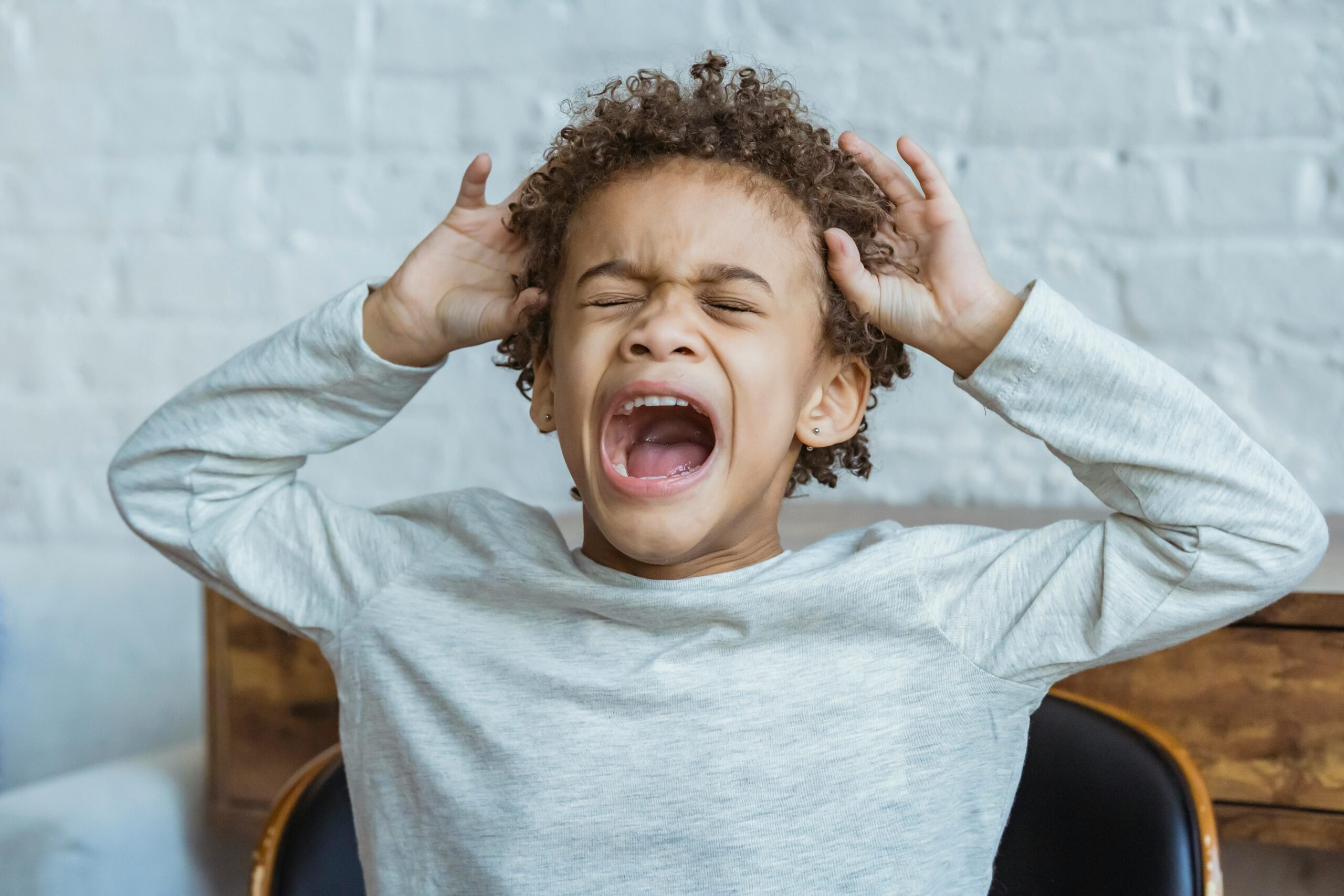
Big emotions can be hard for young kids to understand—especially anger. Whether it shows up as frustration, tantrums, or sudden outbursts, many children need help learning how to recognize and manage these feelings.
Books about anger give kids a safe and relatable way to explore what they’re feeling. Through stories and characters, children can see that anger is normal—and learn healthy ways to express it. The books below are some of the best for helping kids ages 3–8 understand big emotions and build important emotional regulation skills.
Top Picks at a Glance
- When Sophie Gets Angry-Really, Really Angry... → Best for understanding big anger
- Llama Llama Mad at Mama → Best for toddler tantrums
- Grumpy Monkey → Best for validating emotions
- A Little Spot of Anger → Best for learning coping strategies
Best Books About Anger for Kids
Featured Picks

When Sophie gets really, really angry, her emotions feel overwhelming and out of control. This powerful story shows how anger builds and what it feels like—before gently guiding kids toward calming down in a natural way.
Best For: Understanding big, overwhelming anger
Why It Stands Out: It captures the full emotional journey from meltdown to calm in a way young kids instantly relate to.

A simple shopping trip turns into a meltdown when Llama Llama becomes overwhelmed and frustrated. With patience and reassurance, Mama helps him work through his big feelings.
Best For: Toddler tantrums and everyday frustrations
Why It Stands Out: It’s highly relatable for young kids and shows how connection helps calm big emotions.

Jim Panzee is in a bad mood—and everyone keeps telling him to cheer up. But sometimes, he just wants to feel grumpy.
Best For: Validating emotions
Why It Stands Out: It teaches kids that it’s okay to feel angry or grumpy without rushing to “fix” the feeling.

This engaging story uses a visual “anger spot” to help kids recognize their emotions and learn simple calming strategies like deep breathing and counting.
Best For: Learning coping strategies
Why It Stands Out: It turns abstract emotions into something kids can see and manage step-by-step.
More Anger Books for Kids

When Miles’ little brother breaks his toy, he feels a surge of anger he doesn’t know how to handle. With support, he learns safe and constructive ways to express his feelings.
Best For: Teaching appropriate ways to express anger
Why It Stands Out: It clearly models the difference between feeling angry and acting out.

Ravi feels so angry that he turns into a roaring tiger and loses control. Once the anger passes, he must learn how to make things right.
Best For: Understanding how anger affects others
Why It Stands Out: It combines imagination with an important lesson about taking responsibility after losing control.

A young girl becomes frustrated when her project doesn’t turn out the way she wants. Her anger builds until she learns to step away and try again.
Best For: Frustration and perfectionism
Why It Stands Out: It shows how anger and frustration can be redirected into problem-solving and perseverance.

Dinosaurs show all the wrong ways to behave when they’re angry—before modeling better choices like calming down and making amends.
Best For: Younger kids learning behavior expectations
Why It Stands Out: Its playful tone makes important lessons about anger easy and memorable.

This empowering book teaches kids that they are in control of their emotions and gives them tools to calm down when anger feels overwhelming.
Best For: Building self-regulation skills
Why It Stands Out: It delivers clear, direct strategies kids can use in real-life situations.

When a cranky bear disturbs a group of animals, they try different ways to cheer him up—with mixed results.
Best For: Social-emotional learning
Why It Stands Out: It shows how moods affect others and introduces empathy in a simple, engaging way.
How to Choose the Right Book About Anger for Your Child
Not all anger books are the same. Some focus on understanding emotions, while others teach specific calming strategies. Choosing the right one depends on your child’s age, personality, and what they need most.
For younger kids (ages 3–5)
Look for simple stories with:
- clear emotions
- relatable situations (like sharing or transitions)
- gentle reassurance
These books help children recognize and name their feelings.
For older kids (ages 5–8)
Choose books that:
- explore consequences of actions
- include problem-solving
- introduce coping strategies
These help kids learn how to manage anger in real-life situations.
For frequent tantrums or big outbursts
Focus on books that:
- model calming techniques (deep breathing, taking a break)
- show emotional regulation step-by-step
These are especially helpful for teaching what to do in the moment.
For sensitive or easily frustrated kids
Look for stories that:
- validate feelings without judgment
- show patience and understanding
- emphasize that all emotions are okay
These help build emotional confidence and security.
💡 Tip for parents
Reading the book is just the start. Talk about the story, ask questions, and connect it to real-life situations. This helps kids apply what they learn beyond the page.
Frequently Ask Questions
Young children are still learning how to understand and express their emotions. They often feel overwhelmed and don’t yet have the skills to communicate or regulate their feelings.
Yes. Books give kids examples of how others experience and manage anger. They make abstract emotions easier to understand and provide models for healthy behavior.
Children can begin learning about emotions as early as toddlerhood. Simple books and conversations help build these skills gradually over time.
Repetition is key. Reading the same book multiple times helps reinforce the message and makes it easier for kids to remember strategies when they need them.
Books are a great tool, but they work best alongside guidance and practice. Stay consistent, model calm behavior, and consider additional support if needed.
Final Thoughts
Helping kids understand and manage anger is an important part of their emotional development—and books can be a powerful place to start. The right story can help children feel seen, understood, and more confident in handling big emotions.
By reading and talking through these books together, you’re giving your child tools they can use for years to come. Whether your child struggles with frequent outbursts or just needs help understanding their feelings, these stories can make a meaningful difference.